

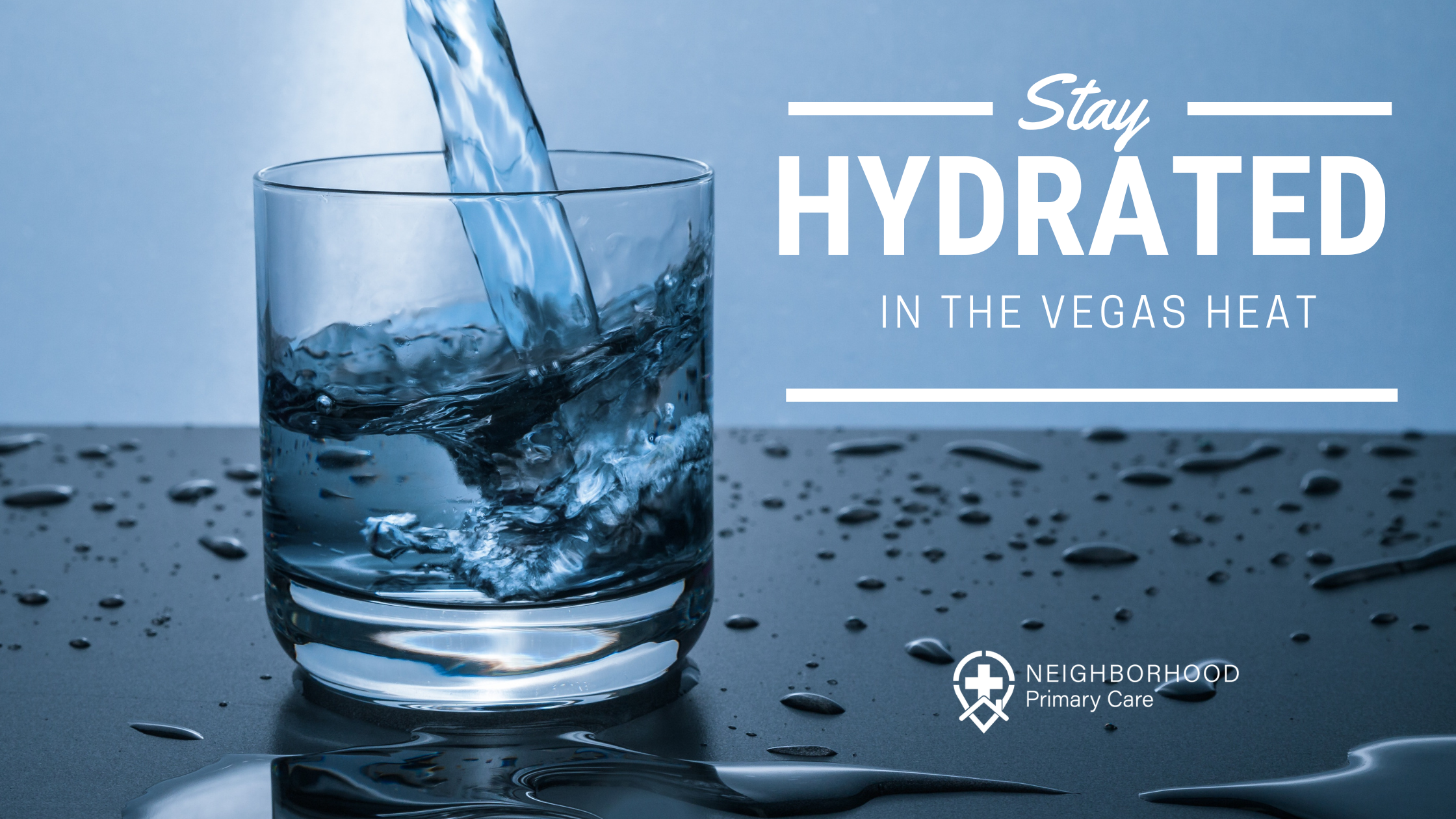
Staying Hydrated in the Las Vegas Heat: Why Water Is Your Health’s Best Friend
You step outside for a quick errand, and within minutes the dry desert air seems to pull the moisture right out of you. That’s not your imagination. Living in Las Vegas means your body works harder to stay hydrated, often without you even noticing. And here’s the tricky part: by the time you feel thirsty, you may already be behind.
This post is for anyone in Las Vegas who wants to feel their best in our unique climate. You’ll learn why hydration matters so much for your whole body, how dehydration quietly affects your energy, blood pressure, kidneys, and heart, plus practical ways to stay hydrated year-round. We’ll also cover the warning signs to watch for and when to seek care. Let’s dive in.
Why Hydration Is So Critical for Your Health
Water isn’t just something to sip when you’re thirsty. It’s involved in nearly every process your body runs. Your cells, organs, and tissues all depend on it to work properly.
Here’s what water does behind the scenes:
- Regulates your body temperature through sweat, which matters a lot in our heat
- Carries nutrients and oxygen to your cells
- Cushions your joints and protects sensitive tissues
- Flushes waste from your body through your kidneys
- Keeps your blood volume steady so your heart can do its job
In the desert, you lose water faster than you might expect. Our dry air means sweat evaporates quickly, so you may not even feel wet or sticky the way you would in a humid climate. That makes it easy to underestimate how much fluid you’re losing.
The takeaway? Staying hydrated isn’t a small detail. It’s a foundation for how well your entire body functions, especially when you live somewhere as dry and hot as Las Vegas.
How Dehydration Affects Your Body
When you don’t take in enough fluid to replace what you lose, dehydration sets in. Even mild dehydration can affect how you feel and function. Here’s how it shows up across your body.
Your energy and focus
One of the first signs of dehydration is often fatigue. When you’re low on fluid, your body has to work harder to do everyday tasks, leaving you feeling drained. You might also notice trouble concentrating, brain fog, or a headache. If you’ve ever felt sluggish on a hot afternoon, dehydration may have played a role.
Your blood pressure
Water helps keep your blood volume where it should be. When you’re dehydrated, that volume drops, and your blood pressure can fall too. This can leave you feeling dizzy or lightheaded, especially when you stand up quickly. On the flip side, dehydration can also strain your cardiovascular system as your body tries to compensate.
Your kidney function
Your kidneys rely on water to filter waste and flush it out through urine. When you’re low on fluids, they can’t work as efficiently. Over time, ongoing dehydration raises your risk for kidney stones and urinary tract infections, both of which are more common in hot, dry climates like ours.
Your heart health
When you’re dehydrated, your blood becomes more concentrated, and your heart has to pump harder to move it through your body. Your heart rate may climb as it works to keep up. For anyone managing a heart condition, staying well hydrated is an important part of caring for your cardiovascular health.
So what? Dehydration touches far more than just how thirsty you feel. It affects your energy, your blood pressure, your kidneys, and your heart, which is why staying ahead of it matters so much.
Practical Tips for Staying Hydrated Year-Round
Good hydration is a daily habit, not a summer-only concern. The desert is dry all year, so your body needs steady fluids in January just as much as July. Here are simple ways to stay on track.
Don’t wait until you’re thirsty
Thirst is a late signal. By the time you feel it, you’re often already mildly dehydrated. Instead of waiting, sip water throughout the day so you never fall behind.
Build hydration into your routine
- Start your morning with a glass of water before coffee or breakfast.
- Keep a reusable water bottle with you and refill it often.
- Set gentle reminders on your phone if you tend to forget.
- Drink a glass with each meal to build a natural rhythm.
Eat your water, too
Not all hydration comes from your glass. Water-rich foods help, and they’re easy to add to your day.
- Cucumbers, celery, and lettuce
- Watermelon, oranges, and strawberries
- Tomatoes and bell peppers
- Broth-based soups
Plan around the heat
- Time outdoor activity for the cooler morning or evening hours.
- Bring extra water whenever you head out, even for short trips.
- Drink before, during, and after exercise, not just when you finish.
- Watch the alcohol and caffeine, which can pull fluid from your body.
Adjust for your day
Certain situations mean you need more water than usual. Ramp up your intake when you’re exercising, spending time outdoors, feeling unwell with a fever or stomach bug, or simply facing a scorching Las Vegas afternoon.
Quick win: if you start just one habit this week, keep a full water bottle within arm’s reach all day. Having it close by makes sipping automatic.
Warning Signs of Dehydration to Watch For
Your body sends signals when it needs more fluid. Learning to spot them early helps you respond before things get worse. Watch for these common signs.
Mild to moderate dehydration
- Increased thirst and a dry or sticky mouth
- Dark yellow urine or urinating less often than usual
- Fatigue or feeling unusually sluggish
- Headache or trouble concentrating
- Dizziness or lightheadedness
- Dry skin or lips
A helpful check: glance at the color of your urine. Pale, light yellow usually means you’re well hydrated, while dark yellow is a sign to drink more.
Signs of more serious dehydration
Some symptoms mean dehydration has gone too far and needs prompt attention:
- Rapid heartbeat or breathing
- Confusion or irritability
- Fainting or extreme dizziness
- Very little or no urination
- Sunken eyes or a lack of tears
- Extreme weakness or lethargy
So what? Mild dehydration is usually easy to fix with fluids and rest. But the more serious signs are your body’s way of asking for help, and they shouldn’t be ignored.
When to Seek Care
Most everyday dehydration improves quickly once you drink fluids and cool down. But certain situations call for a provider’s attention. Trust your instincts, and reach out if something feels off.
Consider scheduling a visit if you notice:
- Dehydration symptoms that won’t improve even after drinking fluids
- Frequent dehydration, which may point to an underlying issue
- Recurring headaches, dizziness, or fatigue you can’t explain
- Signs of a urinary tract infection or kidney stones, like pain or changes in urination
- Dehydration alongside a chronic condition like diabetes, heart disease, or kidney problems
Seek emergency care right away for:
- Confusion, fainting, or a racing heartbeat
- No urination for many hours
- Severe dizziness or extreme weakness
- Symptoms of heat stroke, like a high body temperature, hot dry skin, or trouble staying conscious
When it comes to severe dehydration or heat-related illness, don’t wait. Call 911 or head to the nearest emergency room.
How Primary Care Supports Your Hydration Health
You don’t have to sort through hydration concerns on your own. A steady primary care team is a valuable partner, especially when dehydration keeps happening or ties into a bigger health picture.
Here’s how a provider can help:
- Find the root cause. Frequent dehydration can be a symptom of something else, like diabetes or a kidney issue. Your provider can look at the full picture and check for underlying conditions.
- Run helpful tests. With on-site lab services, checking your kidney function, electrolytes, or blood sugar is quick and convenient, with no cross-town trips for bloodwork.
- Manage related conditions. If you live with high blood pressure, heart disease, diabetes, or kidney concerns, your provider can help you stay hydrated safely as part of your overall plan.
- Offer personalized guidance. Everyone’s needs are different. Your provider can help you figure out how much fluid is right for you based on your health, medications, and lifestyle.
- Track changes over time. Seeing the same team means they get to know your baseline and can spot small shifts before they become bigger problems.
That kind of ongoing relationship turns a nagging worry into a manageable part of your care.
Common Mistakes to Avoid
A few simple missteps can leave you more dehydrated than you realize. Watch out for these:
- Waiting until you’re thirsty. Thirst means you’re already behind, so sip steadily instead.
- Only hydrating in summer. Our dry air pulls moisture from you all year long.
- Relying on sugary or caffeinated drinks. These can work against you, so make water your main go-to.
- Ignoring the early signs. Fatigue, headaches, and dark urine are easy to dismiss but worth acting on.
- Powering through repeated dehydration. If it keeps happening, that’s a clear sign to check in with a provider.
Avoiding these traps is much easier when you have a care team who knows your story.
New in Las Vegas and Accepting New Patients
We know that living well in the desert takes a little extra care, and we’re here to help make it simple. That’s why we built Neighborhood Primary Care around convenience, clarity, and warmth, right here in Las Vegas.
- Now accepting new patients. We’d love to welcome you and become your trusted medical home.
- Same-day appointments. Not feeling your best? We work to get you in quickly.
- On-site lab services. Kidney function checks, electrolyte panels, and bloodwork happen right in our office for faster answers.
- Friendly providers who listen. You’re never just a chart. We take the time to understand you and your goals.
- Most insurances accepted. Quality care that works with your coverage.
For anyone looking for dependable primary care Las Vegas residents can count on, we’re proud to be part of this community and here to help you thrive in our climate.
The Bottom Line
Staying hydrated is one of the simplest, most powerful things you can do for your health, especially in the Las Vegas desert. Water fuels your energy, supports healthy blood pressure, protects your kidneys, and eases the load on your heart. When you fall behind, dehydration can quietly affect your whole body, so the goal is to stay ahead of it every day of the year.
Here’s your quick recap:
- Sip steadily and don’t wait for thirst to strike.
- Build hydration into your routine with water-rich foods and easy habits.
- Plan around the heat, drinking before, during, and after time outdoors.
- Watch for warning signs, from dark urine to dizziness.
- Reach out to a provider if dehydration is frequent or tied to a chronic condition.
So ask yourself: how much water have you had today? If you’re not sure, that’s a good reminder to fill up your glass.
Ready to feel your best in the desert heat? Call Neighborhood Primary Care at 702-659-9090 or visit neighborhoodprimarycarelv.com to schedule your visit today. We’re now accepting new patients in Las Vegas—with same-day appointments, on-site lab services, and most insurances accepted—and we’d love to help you stay healthy for years to come.