


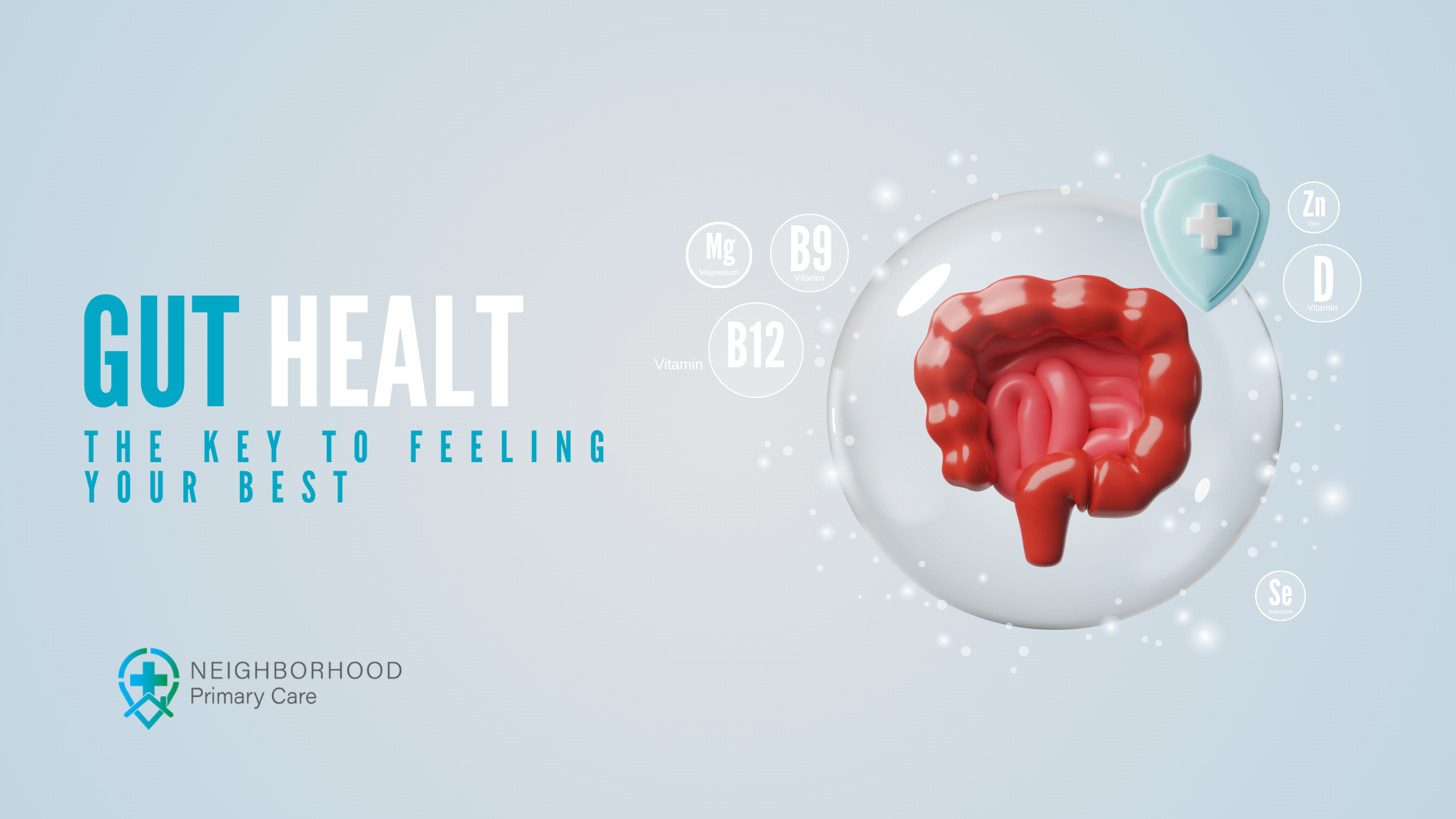
Understanding Gut Health: The Key to Feeling Your Best
Ever feel bloated, sluggish, or just not quite right—but can’t pin down why? Your gut might be trying to tell you something. Your digestive system does far more than break down food. It shapes your energy, your immune system, and even your mood. When it’s out of balance, you feel it all over.
This post is for anyone in Summerlin who wants to feel lighter, more energized, and more like themselves. You’ll learn what “gut health” really means, why it matters for your whole body, and simple habits that support a healthy gut. We’ll also cover the warning signs worth mentioning to a provider and the common mistakes that quietly work against you. Let’s dig in.
What “Gut Health” Actually Means
Your gut is home to trillions of tiny microbes—bacteria, yeasts, and more—that live in your digestive tract. Together, they’re called your gut microbiome. It might sound strange, but many of these microbes are helpful. They aid digestion, support your immune system, and even influence how you feel day to day.
A healthy gut has a rich, balanced mix of these microbes. When that balance tips too far in the wrong direction, digestion suffers and other systems can feel the effects.
Think of your gut like a garden. When it’s well-tended and diverse, it thrives. When it’s neglected, weeds take over. The good news? You have real power over how well your garden grows.
Why Gut Health Matters for Your Whole Body
Your gut doesn’t work in isolation. It connects to nearly every part of your health, which is why keeping it balanced pays off in surprising ways.
It powers your digestion and energy
A healthy gut breaks down food efficiently and absorbs the nutrients your body needs. When it’s working well, you get more energy from what you eat. When it’s struggling, you may feel tired, bloated, or heavy after meals.
It supports your immune system
Here’s something many people don’t realize: a large share of your immune system lives in your gut. A balanced microbiome helps your body fight off illness and stay resilient. Care for your gut, and you’re supporting your defenses at the same time.
It affects your mood
Your gut and brain are in constant conversation through what’s often called the “gut-brain connection.” That’s why stress can upset your stomach—and why gut troubles can drag down your mood. Supporting your gut may help you feel steadier, emotionally and physically.
So what? Caring for your gut isn’t just about digestion. It’s a simple, powerful way to support your energy, immunity, and overall well-being.
Simple Habits That Support a Healthy Gut
The best part about gut health is that everyday choices make a real difference. You don’t need a complicated plan—just a few steady habits.
Eat more fiber and variety
Fiber feeds the helpful microbes in your gut, and variety keeps your microbiome diverse and strong.
- Load up on vegetables and fruits for fiber and nutrients.
- Choose whole grains like oats, brown rice, and whole wheat.
- Add beans and legumes, which are fiber powerhouses.
- Mix it up. The more plant variety on your plate, the better.
Include fermented foods
Fermented foods contain live, beneficial bacteria called probiotics. Try adding small amounts of yogurt, kefir, sauerkraut, kimchi, or miso to your routine.
Stay hydrated
Water keeps things moving through your digestive system and helps prevent constipation. In our dry Summerlin climate, it’s easy to fall behind—so sip throughout the day rather than waiting until you’re thirsty.
Don’t overlook sleep and stress
Poor sleep and ongoing stress can throw your gut off balance. Aim for consistent, restful nights, and lean on simple stress-relievers like short walks, deep breathing, or time outdoors.
Move your body
Regular activity supports healthy digestion and a diverse microbiome. Even a daily walk helps. In our desert summers, aim for early morning or evening and bring water.
Quick win: if you change just one thing this week, add a serving of vegetables to two meals a day. It’s the easiest way to start feeding a healthier gut.
Warning Signs Worth Mentioning to a Provider
Occasional bloating or an off day is normal. But some symptoms deserve a closer look, especially when they stick around. Consider talking with a provider if you notice:
- Persistent bloating, gas, or discomfort after most meals
- Ongoing constipation or diarrhea
- Unexplained weight changes
- Frequent heartburn or acid reflux
- Fatigue that won’t lift, even with enough rest
- Food sensitivities that seem to be growing
These signs can point to something simple or something worth investigating. Either way, you don’t have to guess. At Neighborhood Primary Care, our on-site lab work makes checking on your health quick and convenient—no cross-town trips for bloodwork.
So what? Early answers usually mean simpler solutions. A quick visit can turn uncertainty into a clear plan.
Common Mistakes to Avoid
A few simple missteps can quietly work against your gut. Watch out for these:
- Loading up on processed foods. Highly processed, sugary foods can crowd out the helpful microbes your gut needs.
- Ignoring fiber. A low-fiber diet starves the good bacteria that keep you balanced.
- Overusing antibiotics. While sometimes necessary, they can disrupt your microbiome—so take them only when a provider recommends.
- Powering through symptoms. Persistent digestive trouble isn’t something to just tough out. It deserves attention.
- Going it alone. Guessing at gut issues rarely works. A trusted care team makes finding answers far easier.
Avoiding these traps is much simpler when you have a primary care provider in Summerlin NV who knows your story.
How a Primary Care Team Can Help
You don’t have to sort through gut health on your own. A steady primary care Summerlin team is one of your best resources for feeling your best.
Your provider can review your symptoms, rule out underlying conditions, and help you build a plan that fits your life. With on-site lab services, checking key markers is fast and stress-free. And because we get to know you over time, we can track changes and adjust your care as needed.
As a practice now welcoming new patients in Las Vegas, we offer same-day appointments, convenient on-site lab work, and most insurances accepted—so getting started is easier than ever.
The Bottom Line
Your gut plays a bigger role in your health than most people realize. It powers your digestion, supports your immune system, and even shapes your mood. The encouraging truth is that small, steady habits—more fiber, fermented foods, good hydration, quality sleep, and regular movement—can help your gut thrive.
Here’s your quick recap:
- Eat more fiber and variety to feed helpful microbes.
- Add fermented foods for a natural probiotic boost.
- Stay hydrated and keep moving.
- Protect your sleep and manage stress.
- Check in with a provider if symptoms linger.
So ask yourself: how has your gut been feeling lately? If something’s felt off, that’s a clear sign it’s worth a conversation.
Ready to feel your best from the inside out? Call Neighborhood Primary Care at 702-659-9090 or visit neighborhoodprimarycarelv.com to schedule your visit today. We’re now accepting new patients in Summerlin—and we’d love to help you feel your best for years to come.
Be sure to check back tomorrow for the final post in our weekday health series.